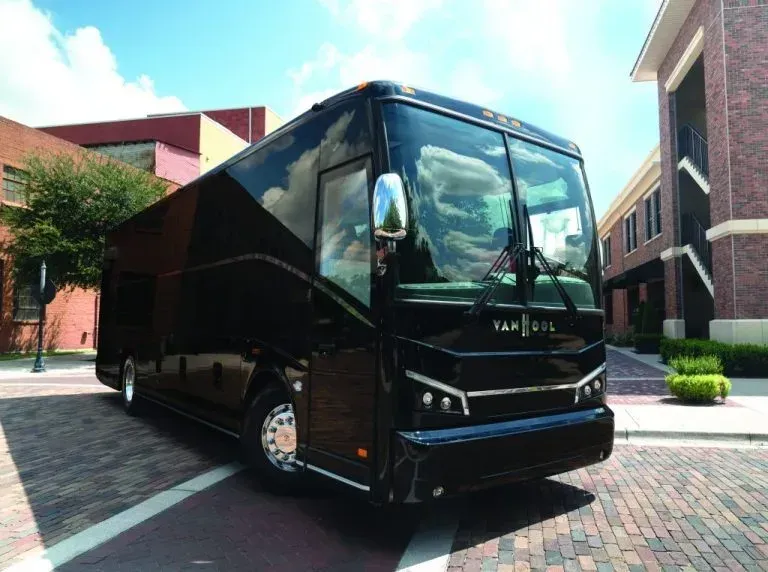
Coordinating transportation for a large group can quickly become a complex task when multiple schedules, pickup arrangements, and travel expectations are involved. Whether the occasion is a professional meeting, family event, social outing, or special gathering, coordinating punctual arrivals requires thoughtful organization. A structured transportation strategy helps reduce uncertainty, avoid delays, and enhance the overall experience for all travelers. By focusing on the critical factors involved in group transportation planning, organizers can create an efficient travel experience throughout the entire trip.
When numerous travelers journey together, transportation extends beyond basic passenger movement between locations. It plays a valuable role in shaping the complete event experience. Well-managed coordination assists with maintaining schedules, encouraging communication, and creating a more pleasant travel experience. At A1 Quality Express Limousine, we know that well-planned transportation solutions help groups enjoy a confident and hassle-free travel experience.
Begin Transportation Planning Early
Successful group transportation begins with early preparation. Leaving transportation planning too late may restrict options and complicate efforts to address specific group needs. Planners should start by identifying passenger counts, travel schedules, anticipated departure times, and destination needs. Early information gathering lays the groundwork for transportation arrangements that complement the event timeline.
Proactive planning creates time to address concerns before they develop into larger obstacles. Event schedules, transportation logistics, accessibility considerations, and roadway conditions all play a role in shaping transportation plans. By addressing these details ahead of time, organizers can develop a transportation strategy that keeps the group moving efficiently. Extensive preparation typically helps create smoother transportation experiences and minimizes unexpected challenges.
Identify the Group's Size and Requirements
A key step in organizing transportation for large groups is identifying the exact size of the group and its unique needs. Accurate traveler counts assist in matching transportation resources to group requirements effectively. Planners should verify attendance information early and revise those numbers whenever plans change.
Passenger counts are important, but personal requirements within the group should also be considered. Different passengers may require additional baggage capacity, accessibility accommodations, or other forms of assistance. Considering these factors allows transportation planning to address specific passenger needs more effectively. Carefully gathering complete information contributes to a more efficient and enjoyable travel experience for all participants.
Develop a Comprehensive Transportation Schedule
A detailed transportation plan works as a reference point for everyone involved. Organizers should outline departure times, pickup locations, travel durations, arrival targets, and any planned stops along the route. A clear schedule helps eliminate uncertainty and keeps all participants informed of timing and locations. Consistency and clarity are especially valuable when managing larger groups with multiple participants.
Effective communication greatly contributes to schedule reliability. Each participant should be informed of transportation details ahead of time. Providing schedules through digital platforms or printed copies helps maintain awareness among participants. When participants have clear expectations, transportation operations tend to run more smoothly and efficiently.
Create Unified Pickup and Drop-Off Locations
Organizing numerous pickup areas often increases logistical difficulty for large groups. Organizers should prioritize centralized locations whenever practical for easier coordination. Consolidating gathering locations helps streamline the boarding process and reduces delays caused by coordinating multiple stops. This approach improves communication flow and strengthens overall efficiency.
Central meeting points also help ensure all travelers are accounted for prior to departure. Group leaders can verify attendance, distribute updates, and answer questions before the journey begins. This organized approach helps ensure that everyone is prepared and that transportation operations stay on schedule. Defined meeting locations greatly improve coordination throughout the journey.
Prioritize Clear Communication Throughout the Process
Clear communication is among the most important elements of successful transportation planning. Travelers should be consistently informed about timing, pickup guidance, expectations, and updates. Accurate communication reduces confusion and helps passengers prepare properly. Strong communication supports both efficiency and passenger satisfaction.
Coordinators should set up consistent communication methods for all updates. Designated contacts and digital communication tools help spread updates quickly. In the middle of any successful transportation plan, communication remains the connecting element that keeps everyone informed and aligned. Consistent updates help maintain confidence and minimize disruptions throughout the journey.
Plan for Unexpected Circumstances
Carefully structured transportation plans can still be affected by unexpected events. Conditions such as weather, traffic, timing changes, read more and delays may demand immediate action. Flexible planning allows organizers to manage unforeseen situations effectively. Proper preparation helps maintain stability despite evolving circumstances.
Contingency strategies should include backup plans, route alternatives, and key decision contacts. Established procedures help minimize stress and ensure structured responses to challenges. Anticipatory planning keeps operations effective even when changes occur.
Prioritize Traveler Comfort and Ease
The comfort of travelers strongly influences the journey experience. Extended group travel makes comfort and convenience key priorities. Proper seating arrangements and organized boarding improve the overall journey atmosphere. Travelers who feel comfortable are more likely to enjoy the experience and arrive ready for their planned activities.
Ease of travel contributes significantly to successful coordination. Streamlined boarding, clear guidance, and structured timing minimize issues for travelers. Proper organization allows travelers to focus on the experience rather than planning details. A smooth and convenient trip often improves the overall success of the event.
Work with Experienced Transportation Professionals
Group transportation involves multiple moving components, making professional assistance highly valuable. Experienced providers know how to manage timing, passenger coordination, and operational efficiency. Their knowledge supports smooth navigation of logistical challenges and ensures reliability.
Skilled transport professionals bring practical knowledge that enhances coordination. Their understanding of group transport enables them to predict challenges and provide solutions. By relying on professional experience, planners can focus on the event while logistics are handled carefully.
Make Transportation an Extension of the Event
Transportation functions best when integrated into the event experience. Organized transportation helps passengers enjoy and engage before the event begins. Effective transportation planning improves the overall experience and fosters a professional atmosphere.
At A1 Quality Express Limousine, we believe successful group transportation begins with thoughtful planning, clear communication, and a commitment to passenger satisfaction. Organizing large-group transportation does not need to be overwhelming when proper strategies are applied. Strong organization and preparation create smooth journeys that support event success. We take pride in helping create smooth transportation experiences that allow every passenger to travel with confidence and peace of mind.